

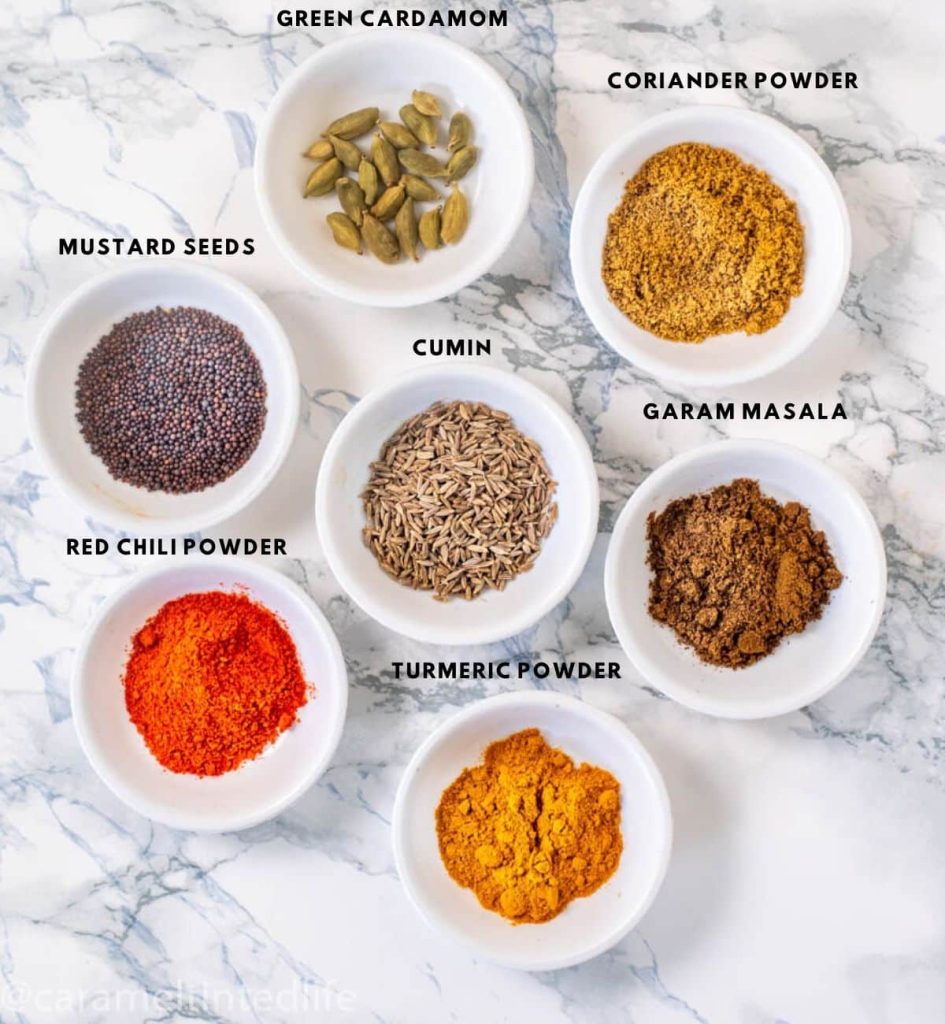
Top 20 Indian Spices and How to Use Them
Indian Spices and There Use– A Complete Guide for Indian Kitchens India is known as the land of spices, and Indian cooking is incomplete without them. From everyday home meals to restaurant-style dishes, spices play a vital role in enhancing flavor, aroma, color, and even health benefits. This detailed guide on top 20 Indian spices and how to use them is specially written for Indian households, food business owners, and spice lovers across Maharashtra, including Mumbai and Pune. Understanding the top 20 Indian spices and how to use them correctly can transform ordinary dishes into extraordinary ones. Whether you are cooking for family, running a food business, or building a spice brand, this blog will help you use spices confidently and correctly. Why Indian Spices Are So Important in Cooking Indian spices are not just about taste. They: Improve digestion Add natural color and aroma Increase shelf life of food Offer medicinal benefits Create regional food identity Knowing the top 20 Indian spices and how to use them helps you balance flavors without overpowering your dishes. Top 20 Indian Spices and How to Use Them 1. Turmeric (Haldi) Turmeric is the backbone of Indian cooking.How to use: Add a pinch while tempering vegetables, dal, or curries. It adds color and acts as a natural preservative. 2. Cumin Seeds (Jeera) Cumin gives a warm, earthy flavor.How to use: Temper in hot oil for dal, sabzi, rice, and buttermilk. 3. Coriander Seeds (Dhaniya) Coriander offers a mild citrusy taste.How to use: Roast and grind for gravies, curries, and masalas. 4. Red Chilli Powder Adds heat and vibrant color.How to use: Use sparingly in curries, vegetables, and snacks. 5. Black Pepper (Kali Mirch) Known as the “king of spices.”How to use: Add freshly ground pepper to soups, curries, and salads. 6. Mustard Seeds (Rai) Essential in Maharashtrian and South Indian cooking.How to use: Crackle in oil for tempering curries, pickles, and chutneys. 7. Fenugreek Seeds (Methi Dana) Slightly bitter with strong aroma.How to use: Add in small quantity to curries, pickles, and dals. 8. Asafoetida (Hing) Powerful spice used in tiny amounts.How to use: Add a pinch while tempering for dal and vegetable dishes. 9. Cloves (Laung) Strong and aromatic.How to use: Use whole in rice dishes, biryani, and garam masala. 10. Cardamom (Elaichi) Sweet and fragrant spice.How to use: Add to desserts, tea, pulao, and spice blends. 11. Cinnamon (Dalchini) Adds warmth and sweetness.How to use: Use whole in curries or powdered in desserts. 12. Bay Leaf (Tej Patta) Enhances aroma.How to use: Add whole while cooking rice, curries, and gravies. 13. Fennel Seeds (Saunf) Sweet and cooling spice.How to use: Use in curries, spice mixes, or as mouth freshener. 14. Star Anise (Chakra Phool) Strong licorice flavor.How to use: Add one piece to biryani or garam masala. 15. Nutmeg (Jaiphal) Warm and slightly sweet.How to use: Grate a small amount into desserts and gravies. 16. Mace (Javitri) Outer covering of nutmeg.How to use: Use in garam masala and rich curries. 17. Dry Mango Powder (Amchur) Adds tanginess.How to use: Sprinkle on chaat, sabzi, and snacks. 18. Kashmiri Chilli Mild heat with bright red color.How to use: Ideal for gravies where color is important. 19. Carom Seeds (Ajwain) Strong digestive spice.How to use: Add to parathas, pakoras, and fritters. 20. Saffron (Kesar) Premium aromatic spice.How to use: Soak in warm milk and add to sweets and biryani. premium quality Indian spices by Pradnya’s Spices How to Store Indian Spices Correctly Proper storage is essential when using the top 20 Indian spices and how to use them effectively: Store in airtight containers Keep away from sunlight Grind spices fresh when possible Avoid moisture Tips for Using Indian Spices Like a Pro Always roast whole spices lightly for better aroma Use powdered spices on low flame to avoid burning Balance strong spices with mild ones Follow regional spice combinations Understanding the top 20 Indian spices and how to use them properly helps maintain authentic taste. Benefits for Food Businesses and Spice Brands For food entrepreneurs in Mumbai, Pune, and Maharashtra: Educating customers builds trust Correct spice usage improves consistency Enhances brand authenticity Increases repeat customers Using content around top 20 Indian spices and how to use them also boosts SEO and brand visibility. Conclusion Indian spices are the soul of Indian cuisine. This complete guide on top 20 Indian spices and how to use them helps home cooks, chefs, and business owners create flavorful, healthy, and authentic dishes. Whether you are cooking daily meals or building a spice brand, understanding spice usage is the key to success. If you want more educational content on spices, recipes, or branding for spice businesses in Maharashtra, this knowledge will give you a strong foundation. Frequently Asked Questions (FAQs) What are the top 20 Indian spices and how to use them? The top 20 Indian spices include turmeric, cumin, coriander, red chilli, black pepper, mustard seeds, fenugreek, asafoetida, cloves, cardamom, cinnamon, bay leaf, fennel, star anise, nutmeg, mace, amchur, Kashmiri chilli, ajwain, and saffron. These spices are commonly used in tempering, curries, rice dishes, snacks, and desserts to enhance flavor and aroma. How should Indian spices be used in cooking? Indian spices should always be used in balanced quantities. Whole spices are generally added during tempering in hot oil, while powdered spices should be added on low flame to avoid burning and to retain their natural aroma and taste. Which Indian spices are used daily in Indian kitchens? The most commonly used Indian spices in daily cooking include turmeric, cumin seeds, coriander powder, red chilli powder, mustard seeds, and asafoetida. These spices form the foundation of most Indian curries, dals, and vegetable dishes. How do you store Indian spices properly? Indian spices should be stored in airtight containers away from sunlight and moisture. Whole spices stay fresh longer than powdered spices. For best flavor and aroma, spices should be used within their recommended shelf life. Why are Indian spices important for health? Indian spices are important for